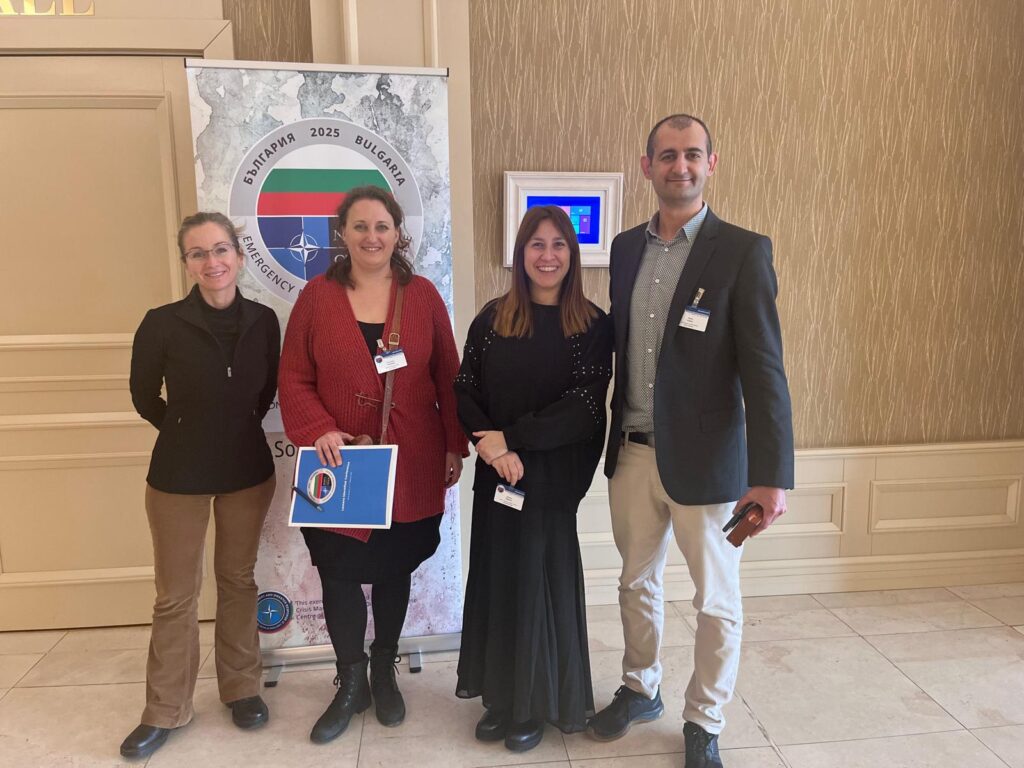
Following an invitation to relevant European-funded projects and a call for expressions of interest launched in March 2025, researchers from 16 NATO Allies, 4 NATO Partner countries, and one International Organisation were selected to contribute to a dedicated research component of the exercise.
The initiative brought together multidisciplinary teams organised into five research streams: prototype testing, virtual reality research, software tools, human factors and questionnaire-based research, and pre-exercise design. The research component was coordinated by Ivanov Martin, Deputy Exercise Director, and addressed key topics related to crisis preparedness, disaster response, and civil protection.
Within this framework, the RETIME project played an important role through the participation of researchers from ISCTE – University Institute of Lisbon, involving members of the ISTAR-Iscte and CEI-Iscte research centres.
The research team led by our Project Coordinator, Catarina Ferreira da Silva and Stefania Stellacci, with the collaboration of Pedro Seabra and Pedro Mariano conducted in-person interviews focusing on civil–military cooperation during emergency crises. These interviews provided valuable insights into coordination mechanisms between civilian and military actors in disaster scenarios.
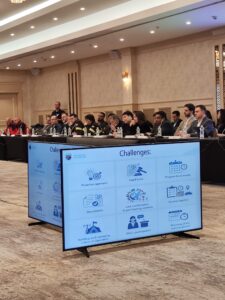
The findings gathered during the exercise will feed directly into RETIME’s applied research activities, contributing to the development of improved approaches for disaster preparedness, crisis management, and emergency response, with particular attention to the protection of vulnerable groups and community resilience.
Both during the NATO exercise and in the discussions that followed, the research component was recognised as one of the most innovative and successful elements of the exercise, highlighting the importance of integrating scientific research with operational practice to strengthen resilience and emergency management capabilities.
Watch the video here, to get a better overview on the event.
Cover photo credit: ISCTE
Image credits: ISCTE