Lisbon Pilot Site
Lisbon Pilot Site
Lisbon Pilot Site
Lisbon Pilot Site
Lisbon Pilot Site
Lisbon Pilot Site
Lisbon Pilot Site
Lisbon Pilot Site
Lisbon Pilot Site
Lisbon Pilot Site
Lisbon Pilot Site
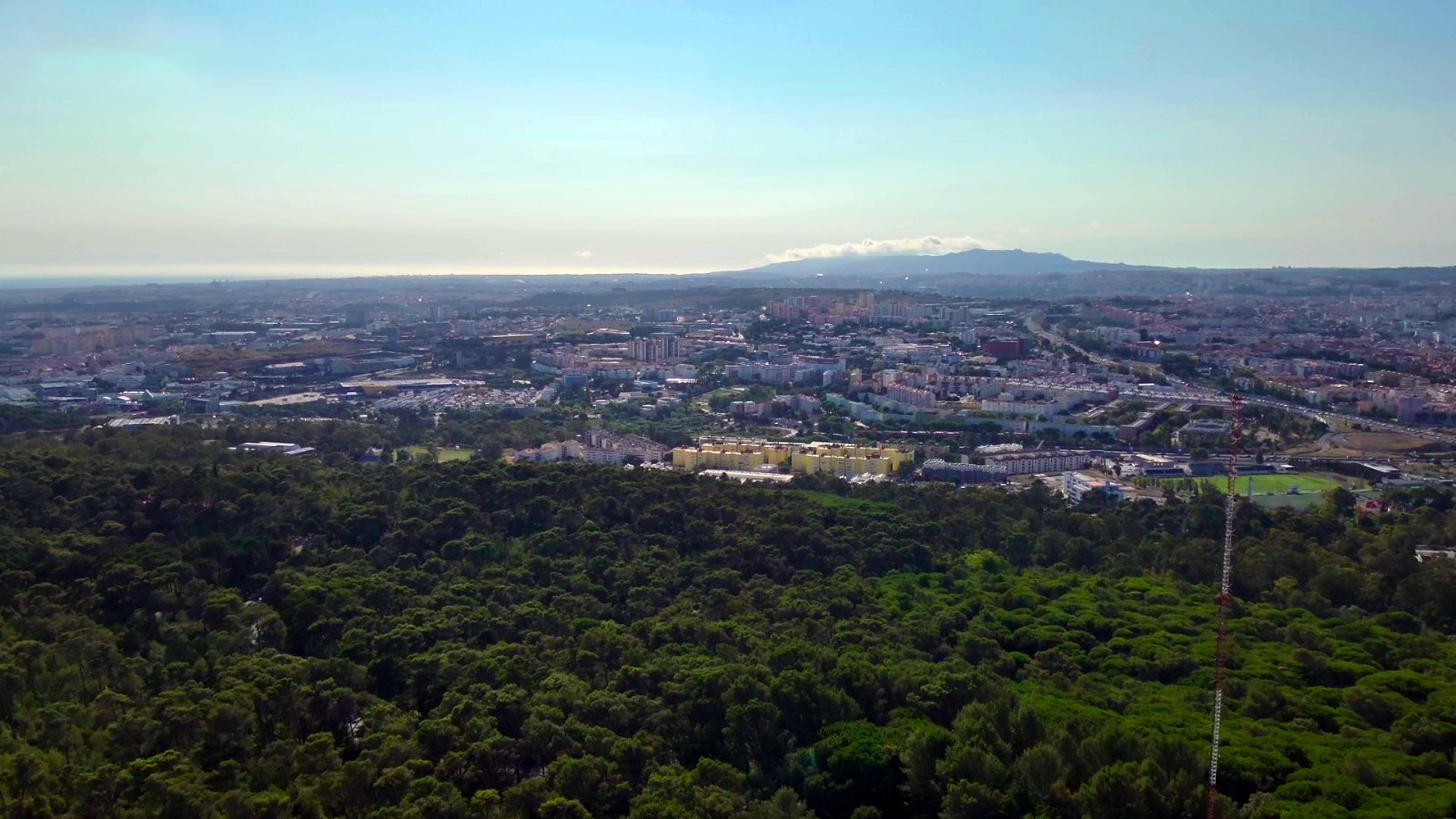
While recent efforts to construct new housing and retrofit existing buildings have improved overall living conditions, challenges remain in managing public spaces, addressing energy poverty, and enhancing indoor comfort. High unemployment rates, low levels of formal education, and limited usage of digital tools further expose the community to significant socio-economic risks.
Additionally, Bairro da Boavista’s unique topography, combined with its geological and geomorphological conditions, makes it highly vulnerable to natural disasters such as flooding, extreme heatwaves, and seismic activity. Its proximity to Monsanto Forest Park also increases the risk of wildfires.


Our solutions are conceived and tested in two more pilot areas, aiming for a full replicability of the strategy.

Supporting vulnerable hotspots, to address a variety of natural disasters, including flash and pluvial floods, landslides, droughts, and heat waves.
Contributing to climate adaptation efforts to improve existing emergency plans against cold spells, heat waves, heat islands, and flooding.