As part of the European RETIME project, Boavista is testing smart technologies designed to help homes cope with extreme weather and other urban challenges. Think of it as giving buildings their own “health check-ups”—with residents in the driver’s seat.
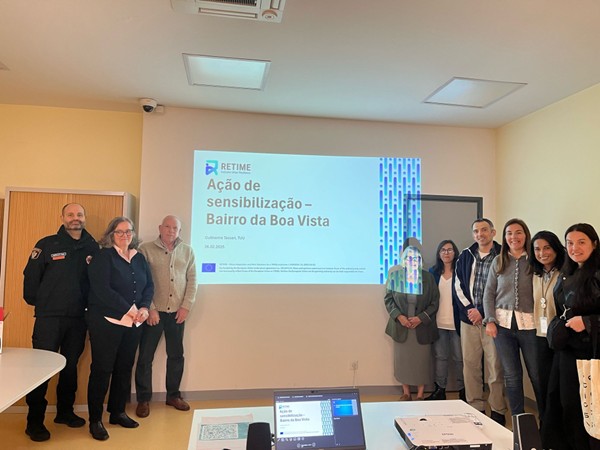
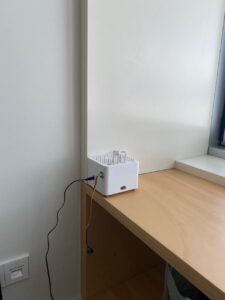
In two recent community sessions, held on February 22 and April 14, 2025, local participants met with RETIME experts and city representatives to explore the tools being introduced. These include indoor sensor boxes that monitor air quality and humidity, and 3D laser scanners that generate detailed digital models of building interiors. The models can help identify structural issues and suggest improvements to make homes more resilient and comfortable.
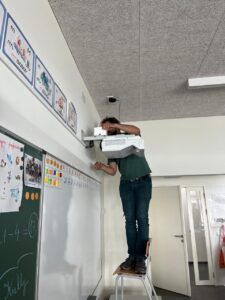
But this isn’t just a top-down rollout of new tech. Residents were invited to ask questions, raise concerns, and shape how the technologies are implemented. Topics such as privacy, energy consumption, and what the sensors actually measure were discussed openly.
Residents did not object to having sensors installed in their homes once it was explained that the devices do not record images or sound, nor do they increase electricity bills. While some expressed concern about the time needed for indoor laser scanning, most were comfortable with the process. They welcomed the opportunity to be part of a project that aims to improve quality of life through in-home data collection and air quality monitoring.
Open dialogue ensured that residents’ perspectives were heard and addressed by the project team. These sessions mark an important step toward transparency and collaboration in building more inclusive and resilient urban environments.
These sessions were made possible thanks to the effort of ISTAR-ISCTE research centre, Lisbon City Council, Lisbon Municipality Civil Protection, Gebalis, University of Porto, and TUU.
By combining smart tools with community voices, the RETIME project is turning Boavista into a living lab for urban resilience where innovation and inclusion go hand in hand.