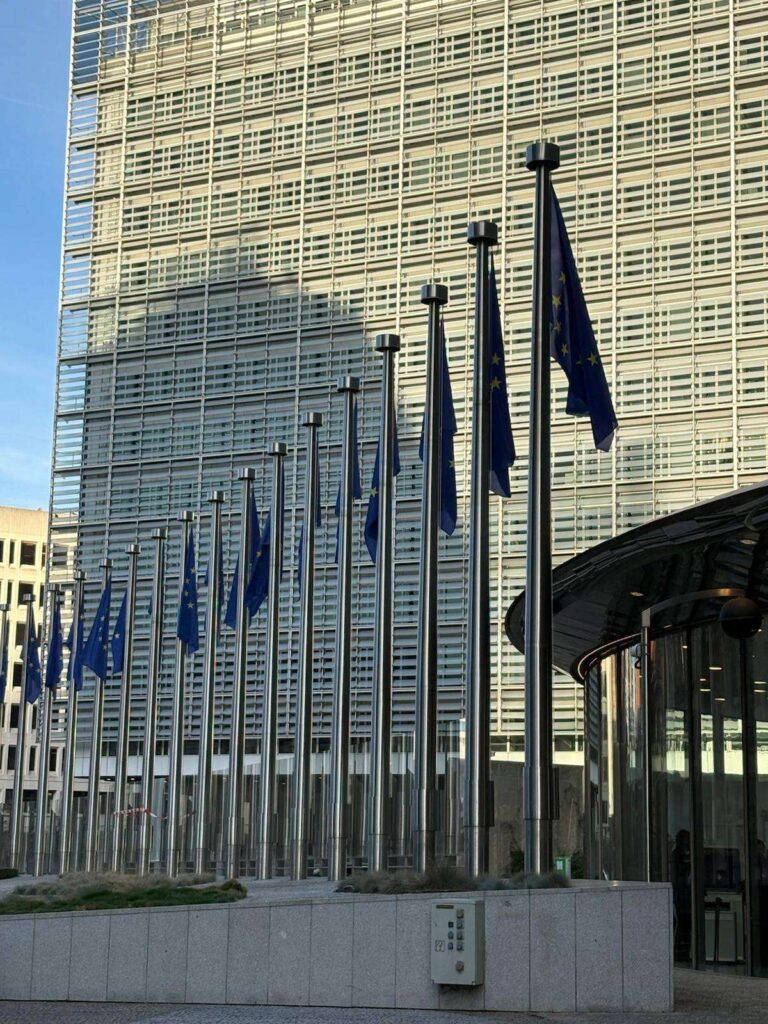
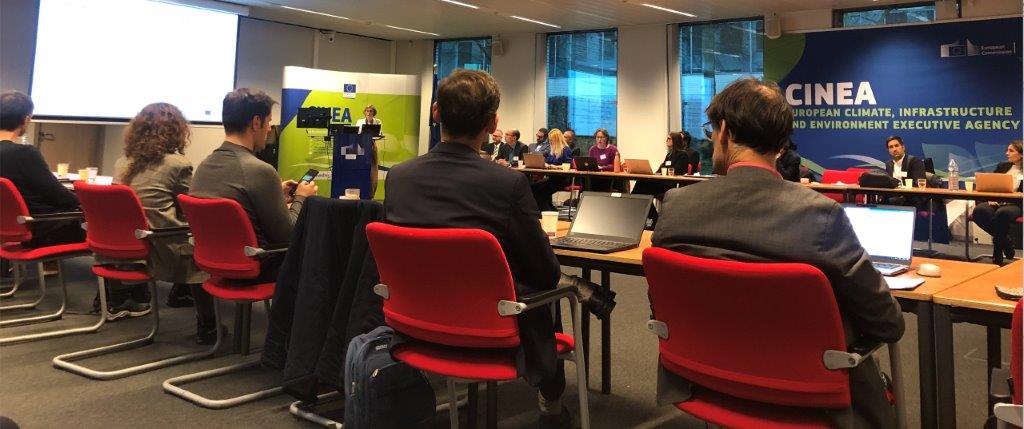
The event commenced with a welcome address from Matthias Langemeyer, head of green research and innovation at CINEA, who highlighted the key role of innovation in decarbonizing the built environment while enhancing its sustainability and inclusivity, aligning with the New European Bauhaus (NEB) values. Following this, Mathieu Daloze, policy officer at DG ENER, provided updates on European Partnerships and outlined the forthcoming Work Programmes for 2025–2027, emphasizing the EU’s commitment to a stronger, more competitive Europe in line with Green Deal objectives.
RETIME, dedicated to developing and testing urban adaptation solutions with a focus on vulnerable groups, engaged in Track 2: Solutions to make the built environment more inclusive, accessible, and resilient. This session emphasized the need for integrated and holistic approaches, as well as multi-criteria assessments, to ensure that improvements in energy efficiency do not negatively affect other aspects of building performance, such as resilience or well-being.
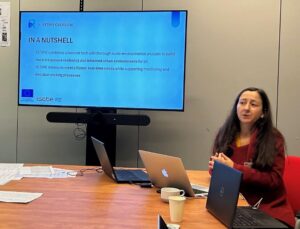
Alongside RETIME, projects in this track included MULTICARE, MULTICLIMACT, GINNGER, REGEN, WeGenerate, CLIMRES, Minority Report, AccesS, inclusiveSpaces which are developing advanced digital tools to streamline decision-making processes by selecting integrated options based on costs and impacts over the entire lifecycle. These tools are also crucial in facilitating citizen engagement, though challenges arise due to varying levels of expertise and IT literacy among stakeholders. Discussions also explored the appropriate scale for addressing built environment resilience, ranging from individual buildings to neighborhoods, cities, or broader territories, depending on the climate risks involved.
Key challenges identified included:
Participants highlighted the importance of knowledge sharing and collaboration to address these challenges effectively. Suggestions for further synergies included establishing knowledge-sharing platforms, thematic working groups, joint webinars, and coaching sessions to accelerate learning and market uptake.
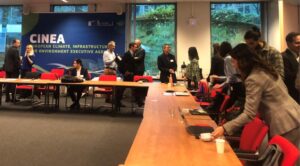
The event provided RETIME with valuable opportunities to connect with other projects, share experiences, and identify potential collaborations. The insights gained are expected to contribute significantly to RETIME’s mission of supporting decision-makers with data-driven tools and adaptation plans, particularly benefiting vulnerable urban populations.
As RETIME continues its work, the collaborative spirit and shared knowledge from the Built4People Clustering Event will play a crucial role in advancing urban resilience across Europe.
More info on the event at: https://built4people.eu/