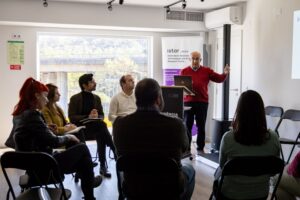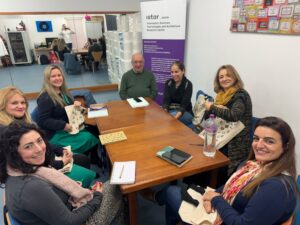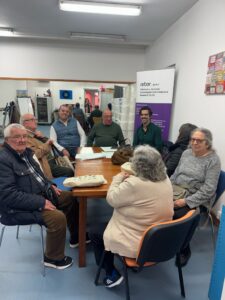
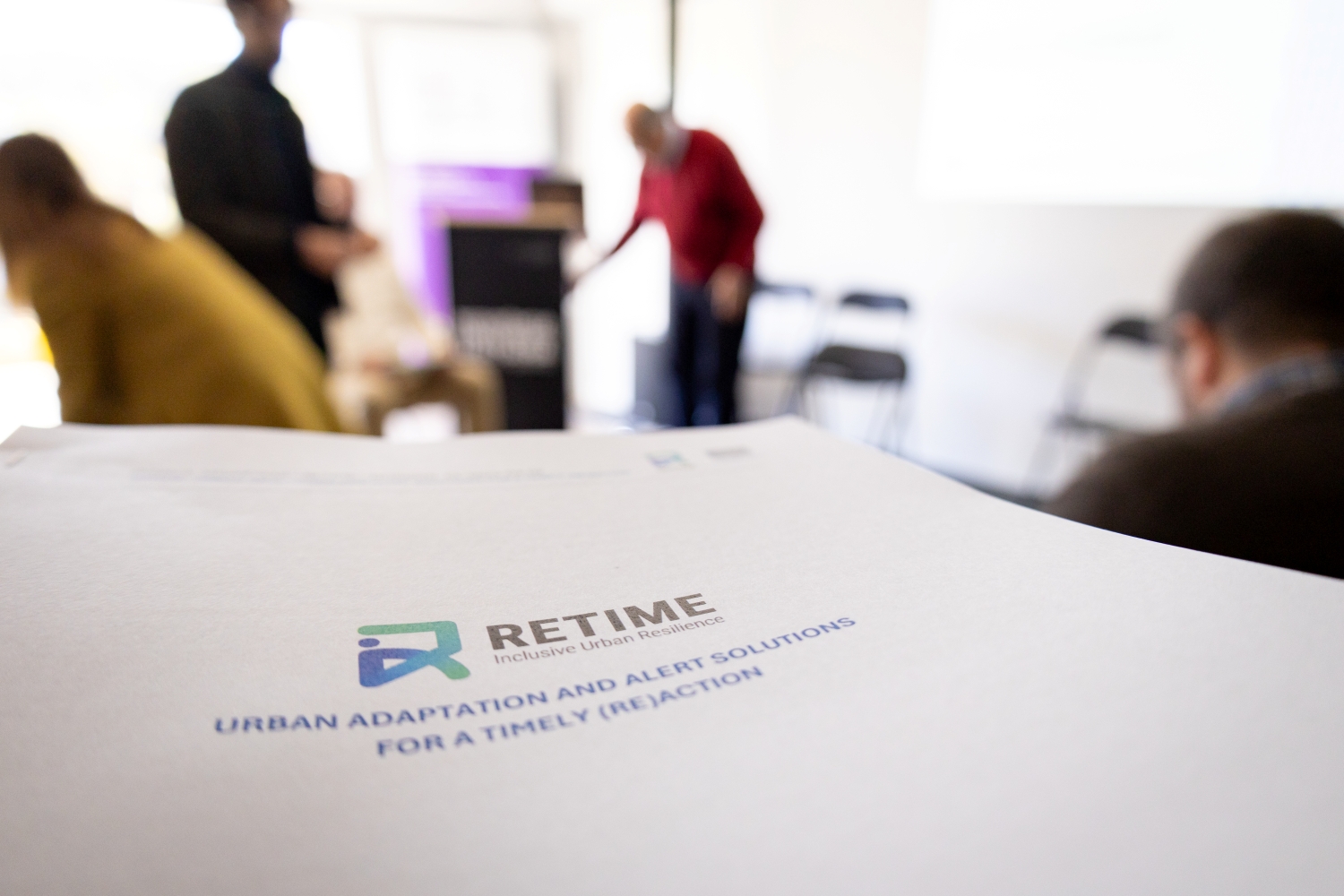
In 2024 and 2025, a series of social surveys were conducted across the three RETIME pilot sites involving building owners and managers, parish officials, local associations, and a representative sample of residents. The fieldwork provided valuable insights into stakeholders’ needs, perspectives, perceived barriers, and social perceptions of risk, as well as their roles in implementing the proposed services and solutions.
In Lisbon’s Bairro da Boavista neighbourhood, the ISCTE team organised a series of focus group sessions between November 2024 and April 2025. These sessions were moderated by Manuel Ribeiro of the ISTAR-Iscte research centre, with support from Stefania Stellacci, André Samora-Arvela, and Raul Abílio Oliva. A total of five focus groups were held, bringing together a diverse range of local stakeholders, including:
Officials and technicians from the Benfica Municipal Council
Managers and technicians from the Lisbon City Council, including representatives of Gebalis and the Municipal Civil Protection Service
Leaders of local social associations active in the neighbourhood, such as Santa Casa da Misericórdia de Lisboa, RE-Trocas Association, and the Cape Verdean Association
Technicians from Santa Casa da Misericórdia de Lisboa working directly with residents
Members of the neighbourhood community
The sessions focused on four main themes:
Ongoing and past initiatives in Bairro da Boavista, highlighting both shortcomings and successes in urban and social infrastructure, economic and safety challenges, and environmental concerns
Coordination between governmental bodies and social associations in implementing neighbourhood improvement projects
Identification of key threats and risks, with particular attention to housing conditions and neighbourhood-specific issues
Community expectations related to the RETIME project and its potential impact on local life
These on-site and off-site stakeholder activities continue to provide a platform for local communities and interest groups to express their needs and aspirations. The insights gathered are vital in shaping a real-time framework for RETIME solutions tailored to the unique contexts of each pilot site.